
Introduction to User Experience (UX)
Discover the fundamentals and principles of UX with an introduction to the world of User Experience.




About this course
This 1-day introductory course provides a practical, high-level overview of the User Experience (UX) discipline, exploring how research, structure, design, and testing come together to create intuitive digital products.
Participants will learn what UX is, why it matters, and how to apply core UX principles to real-world problems. Through a mix of short lectures, examples, and simple hands-on activities, the course introduces the full UX process - from understanding users and mapping their needs, to designing clear interfaces and validating ideas through usability testing.
No design experience is required. By the end of the day, participants will have a solid understanding of the UX mindset, the terminology used in the field, and practical techniques they can immediately apply to improve products, services, and customer experiences.
Course modules
Morning session
Module 1: What is UX? Foundations & Principles
- Introduce UX and its role in digital product development.
- Clarify how UX differs from UI, CX, product design, and service design.
- Present the UX value proposition (business value, user value).
Module 2: Understanding Users: Research Essentials
- Introduce user-centered design and the importance of understanding user needs.
- Explore core research methods: interviews, surveys, observation, competitive review.
- Explain personas, user journeys, pain points, and motivations.
Module 3: Structuring Experiences: Information Architecture & User Flows**
- Introduce IA: organizing content to make products intuitive.
- Explain sitemap basics and navigation patterns.
- Introduce user flows and task flows, and how they translate into screens.
Afternoon session
Module 4: From Ideas to Interfaces: Interaction & Visual Design Basics
- Introduce interaction design principles (feedback, affordance, constraints).
- Present visual design fundamentals
- Discuss accessibility basics (WCAG, inclusive design thinking).
Module 5: Prototyping & Usability Testing
- Introduce different fidelity prototypes (low → high).
- Share prototyping tools (Figma, XD, paper sketches).
- Explain usability testing: what it is, why it’s important, how to run simple tests.
Module 6: UX in the Real World: Best Practices & Case Studies
- Explore real-world UX case studies (good and bad examples).
- Identify common UX pitfalls and how to avoid them.
- Discuss how UX fits in product teams, Agile environments, and design handoff.
Who is this for?
This course is offered as a day introduction course into User Experience.
As a beginner level, this course is suitable for people who are:
- Students
- People looking to start a career in UX
- People looking to boost or gain their understanding of UX
If you are looking for an intermediate or advanced level course, contact us to find out more.
About this course
This 1-day introductory course provides a practical, high-level overview of the User Experience (UX) discipline, exploring how research, structure, design, and testing come together to create intuitive digital products.
Participants will learn what UX is, why it matters, and how to apply core UX principles to real-world problems. Through a mix of short lectures, examples, and simple hands-on activities, the course introduces the full UX process - from understanding users and mapping their needs, to designing clear interfaces and validating ideas through usability testing.
No design experience is required. By the end of the day, participants will have a solid understanding of the UX mindset, the terminology used in the field, and practical techniques they can immediately apply to improve products, services, and customer experiences.
Course modules
Morning session
Module 1: What is UX? Foundations & Principles
- Introduce UX and its role in digital product development.
- Clarify how UX differs from UI, CX, product design, and service design.
- Present the UX value proposition (business value, user value).
Module 2: Understanding Users: Research Essentials
- Introduce user-centered design and the importance of understanding user needs.
- Explore core research methods: interviews, surveys, observation, competitive review.
- Explain personas, user journeys, pain points, and motivations.
Module 3: Structuring Experiences: Information Architecture & User Flows**
- Introduce IA: organizing content to make products intuitive.
- Explain sitemap basics and navigation patterns.
- Introduce user flows and task flows, and how they translate into screens.
Afternoon session
Module 4: From Ideas to Interfaces: Interaction & Visual Design Basics
- Introduce interaction design principles (feedback, affordance, constraints).
- Present visual design fundamentals
- Discuss accessibility basics (WCAG, inclusive design thinking).
Module 5: Prototyping & Usability Testing
- Introduce different fidelity prototypes (low → high).
- Share prototyping tools (Figma, XD, paper sketches).
- Explain usability testing: what it is, why it’s important, how to run simple tests.
Module 6: UX in the Real World: Best Practices & Case Studies
- Explore real-world UX case studies (good and bad examples).
- Identify common UX pitfalls and how to avoid them.
- Discuss how UX fits in product teams, Agile environments, and design handoff.
Who is this for?
This course is offered as a day introduction course into User Experience.
As a beginner level, this course is suitable for people who are:
- Students
- People looking to start a career in UX
- People looking to boost or gain their understanding of UX
If you are looking for an intermediate or advanced level course, contact us to find out more.



Hands-on AI for Product and Project Managers
A practical 1-day course that equips product and project leaders to design, deploy, and manage AI-powered workflows using no-code tools.

Hands-on AI for Product and Project Managers
A practical 1-day course that equips product and project leaders to design, deploy, and manage AI-powered workflows using no-code tools.
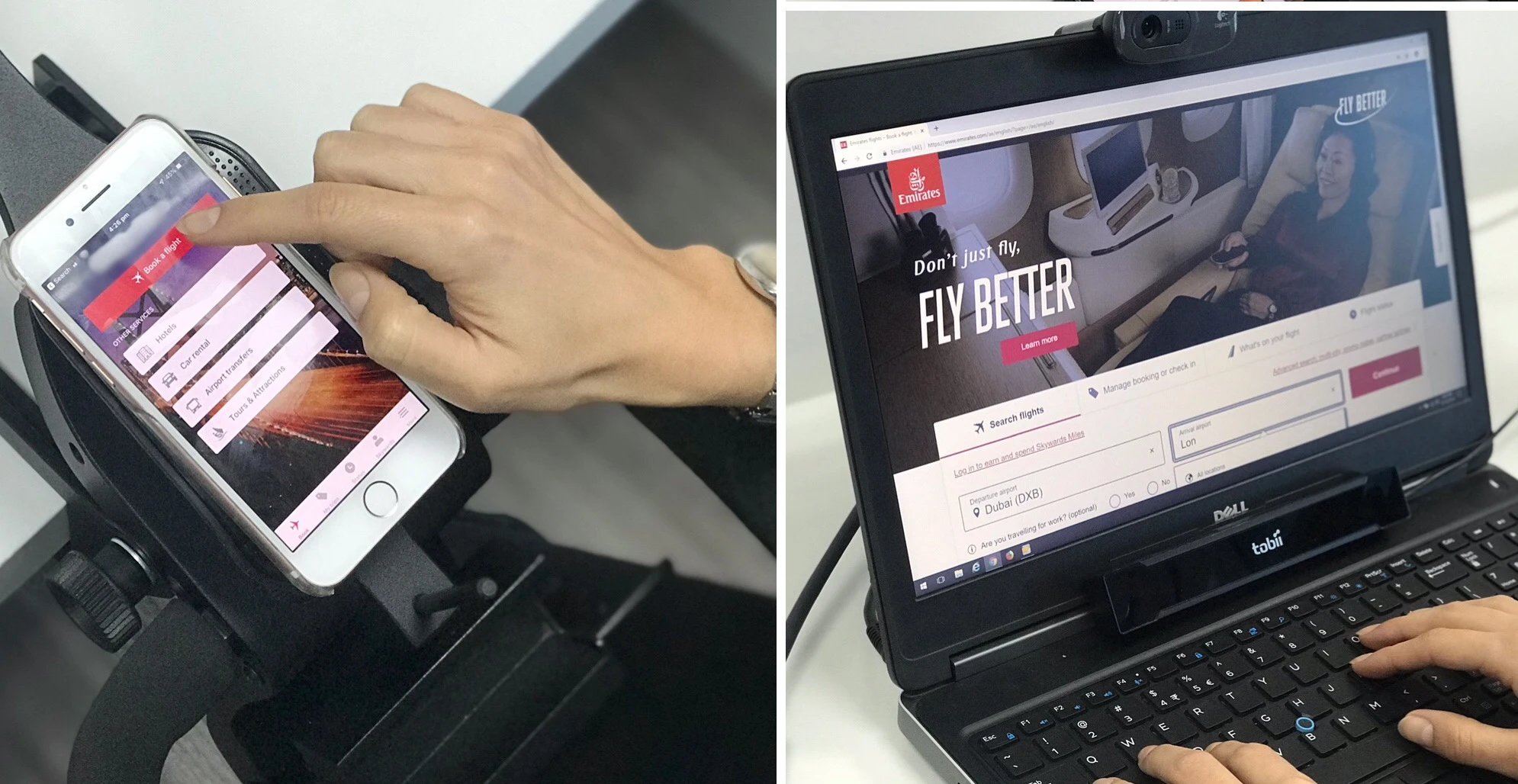
User Testing Foundations
Learn about research methodologies, and the importance of Usability Testing in this Level 1 masterclass.
User Testing Foundations
Learn about research methodologies, and the importance of Usability Testing in this Level 1 masterclass.

UX-PM - Level 1 (UXa Certified)
Learn the fundamentals of UX, gaining hands-on experience to turn knowledge into actionable insights.
UX-PM - Level 1 (UXa Certified)
Learn the fundamentals of UX, gaining hands-on experience to turn knowledge into actionable insights.
.png)
UAE: 2707, The Dome Tower,
Cluster N, JLT, Dubai, UAE
Subscribe to the
DOT Academy Newsletter